Last updated: March 2026
How Much Is My Camera Worth?
Whether you have a Canon, Nikon, Sony, Fujifilm, Leica, or any other camera brand, our AI identifies your camera body and provides a current market valuation. From professional mirrorless systems to vintage film cameras, get accurate pricing before selling or trading your gear.
Also available on


What do you want to value?
Why Knowing Your Cameras Value Matters
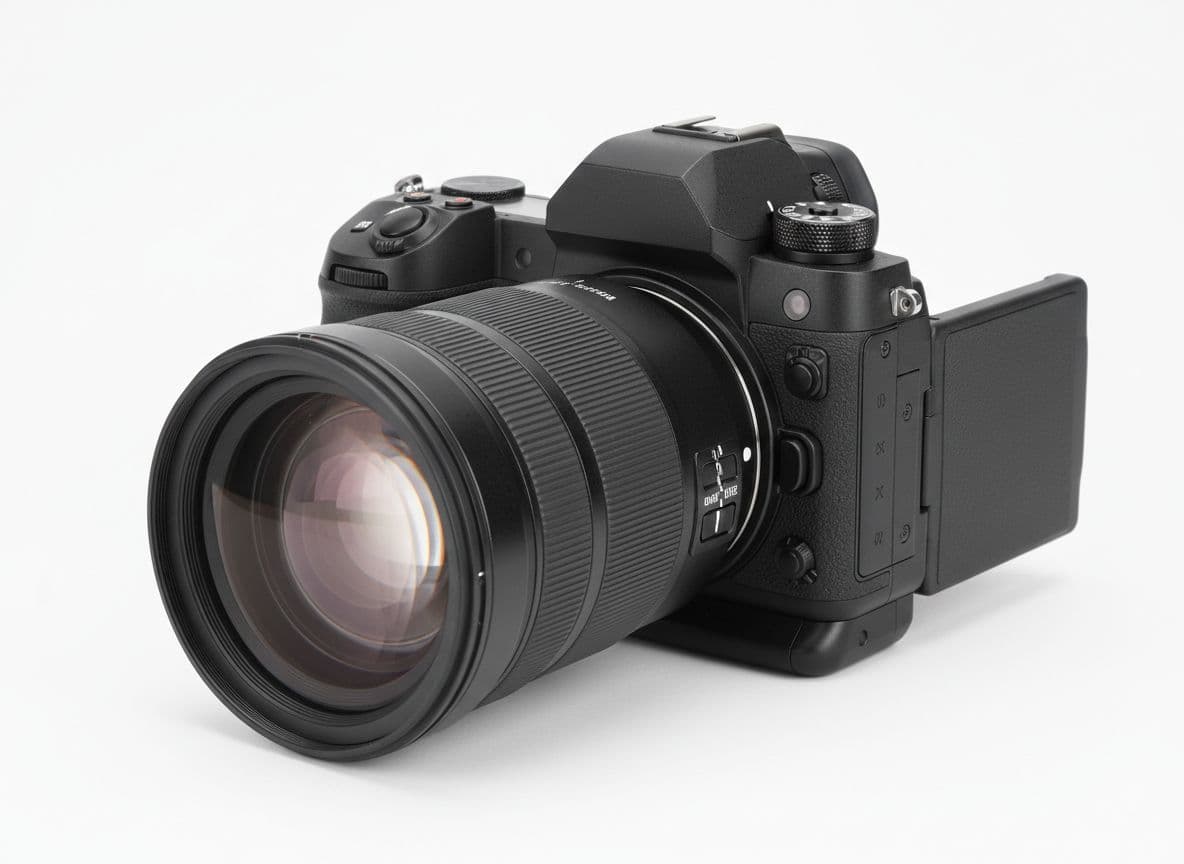
Camera equipment represents a significant investment, and understanding resale values is crucial whether you are upgrading systems, downsizing, or selling inherited gear. Professional camera bodies can retain 50-70% of their value for 2-3 years, and quality lenses often hold value even better. The camera market is also experiencing a fascinating resurgence in film photography, with vintage film cameras from the 1970s-1990s selling for more than they did new when adjusted for inflation. Many photographers have gear sitting unused that could fund their next purchase. Knowing your camera's value prevents you from accepting lowball offers from used camera stores and helps you price equipment competitively for a quick, fair sale.
Key Factors That Affect Cameras Value
Understanding what drives the price of cameras helps you get the most accurate valuation.
Camera Type & System
Mirrorless cameras (Sony Alpha, Canon R, Nikon Z, Fujifilm X) currently hold value best as the market transitions away from DSLRs. Full-frame bodies retain more value than APS-C or Micro Four Thirds. DSLRs have depreciated significantly as buyers shift to mirrorless. Film cameras. Especially manual focus SLRs and rangefinders. Have appreciated in value.
Sensor & Performance
Megapixel count, autofocus performance, video capabilities (4K/8K), and ISO performance affect value. Cameras known for exceptional image quality (Nikon D850, Sony A7R series, Fujifilm GFX) hold value well. Bodies with poor autofocus or limited video features depreciate faster as expectations have risen.
Shutter Count & Condition
Shutter count is the 'odometer' for cameras. Lower counts indicate less use. Most cameras are rated for 100,000-500,000 actuations. Cosmetic condition matters too: brassing (paint wear revealing brass underneath), LCD scratches, and grip wear reduce value. A clean camera with low shutter count commands premium prices.
Included Accessories
Original box, charger, battery, strap, body cap, and documentation add value. Extra batteries, memory cards, and grips increase the sale price. For lenses, front and rear caps, lens hoods, and original packaging are expected by buyers.
Brand & Lens Mount Ecosystem
Camera value is tied to the lens ecosystem. Sony E-mount and Canon RF-mount bodies hold value well because their lens systems are actively growing. Discontinued lens mounts (Sony A-mount, Nikon F-mount to some extent) may see decreasing body values as photographers migrate to newer systems.
Tips for Valuing Cameras
Get the most accurate valuation by following these tips when photographing your cameras.
Photograph the camera body from the front showing the sensor (with body cap removed), and from all sides
Include a photo of the LCD screen powered on, and note the shutter count in your listing
Show any cosmetic wear honestly. Brassing, grip wear, and LCD scratches are key condition indicators
If selling with lenses, photograph each lens separately showing front and rear elements for clarity
Cameras Market Insights
The camera market is in a transitional period. DSLR values have declined as mirrorless technology has become the standard for both professionals and enthusiasts. Sony, Canon, and Nikon mirrorless bodies hold the strongest resale values. Meanwhile, the film photography revival has dramatically increased values for cameras like the Canon AE-1, Nikon FM2, Olympus OM-1, Contax T2, and virtually all Leica bodies and lenses. Point-and-shoot film cameras from the 1990s have seen particularly dramatic appreciation. The used camera market is well-served by platforms like KEH.com (graded used gear), MPB.com (trade-in and buy), eBay, and Fred Miranda forums. Professional bodies typically hold value for 3-4 years before a successor model causes depreciation.
Find Out What Your Cameras Are Worth
Upload a photo now and get a free AI-powered valuation in seconds. No sign-up required.
Cameras Valuation FAQ
Do cameras hold their value well?
It depends on the type. Professional mirrorless bodies hold 50-70% of value for 2-3 years. Mid-range and enthusiast bodies hold 40-55%. Entry-level cameras depreciate fastest at 30-40% retention after two years. Quality lenses hold value better than bodies. A Canon 70-200mm f/2.8 or Nikon 24-70mm f/2.8 might retain 70-80% of its value for years. Film cameras and Leica products have actually appreciated in value.
Where is the best place to sell camera equipment?
KEH.com offers instant quotes and free shipping. Very convenient but pays 10-20% less than private sale. MPB.com is similar with competitive pricing. eBay reaches the largest audience and typically yields the best prices but requires more effort. Fred Miranda forums and r/photomarket on Reddit connect you with knowledgeable buyers. Local camera stores may offer trade-in or consignment. For high-value Leica and rare gear, specialized dealers like Tamarkin and auction houses get the best results.
Are old film cameras worth anything?
Many film cameras have increased significantly in value due to the film photography revival. Sought-after models include: Canon AE-1 ($100-$250), Nikon FM2 ($200-$400), Contax T2 ($800-$1,500), Olympus Stylus Epic/mju-II ($200-$400), and any Leica M-body ($1,500-$10,000+). Even basic SLRs from the 1970s-1980s sell for $50-$150. Point-and-shoot cameras from the 1990s have seen the most dramatic appreciation, driven by Gen Z interest in analog photography.
How does shutter count affect camera value?
Shutter count is a key indicator of camera wear. Cameras with low shutter counts (under 10,000-20,000) command premium prices. Most consumer DSLRs are rated for 100,000-150,000 actuations, while professional bodies are rated for 200,000-500,000. A camera at 50% of its rated life might sell for 10-15% less than one with minimal actuations. You can check shutter count using free tools online or through the camera's menu system.