Last updated: March 2026
How Much Is My Crypto Portfolio Worth?
Managing a diversified crypto portfolio across multiple coins and tokens can be confusing. Our calculator lets you enter all your holdings. Bitcoin, Ethereum, Solana, Cardano, and thousands more. And instantly see your total portfolio value in USD. Stop logging into five different exchanges to figure out your net crypto worth.
Also available on


Crypto Portfolio Value Calculator
Fill in the details below for an accurate estimate
Why Knowing Your Crypto Portfolio Value Matters
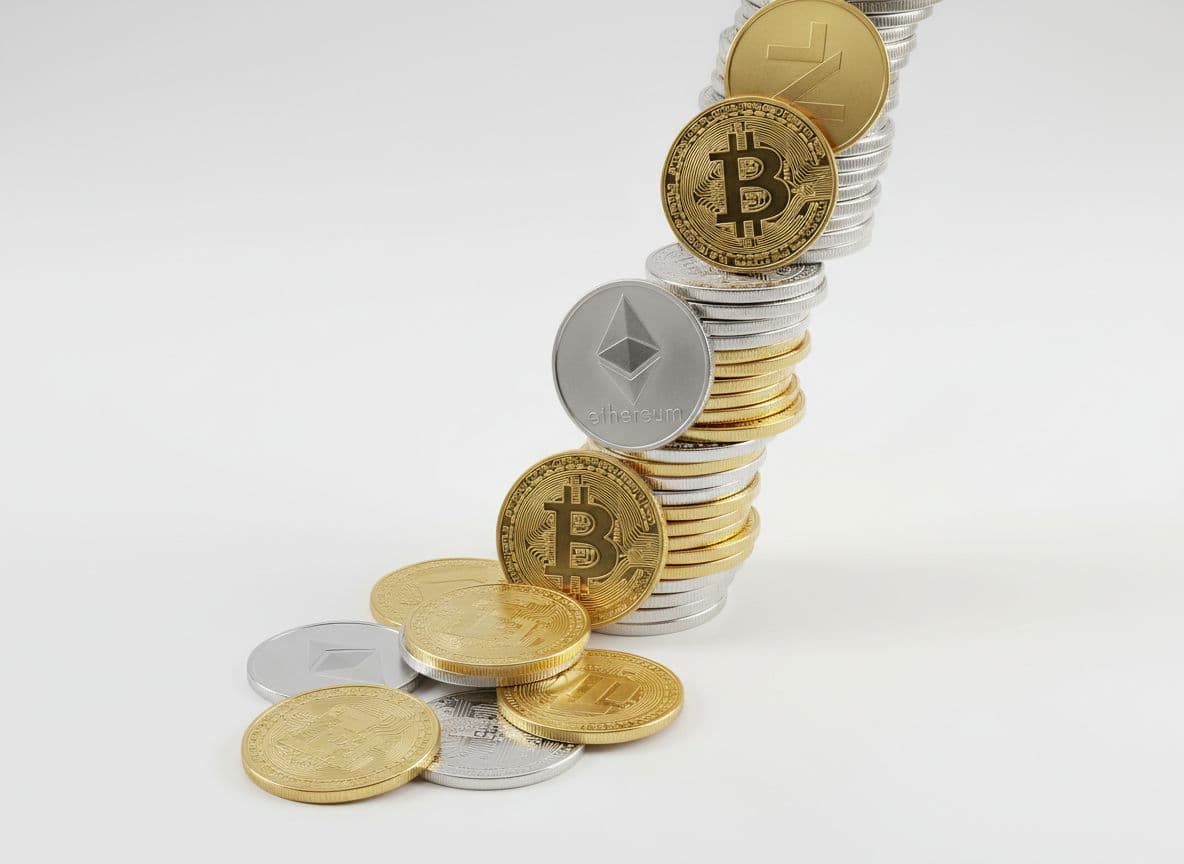
The cryptocurrency market includes over 10,000 tokens across dozens of blockchains, and most active investors hold positions in multiple assets. Tracking your total portfolio value is essential for understanding your real exposure, making rebalancing decisions, and preparing tax documents. Many investors are surprised when they add up scattered holdings across Coinbase, Binance, MetaMask, and various DeFi protocols. Small positions can compound into meaningful value. With crypto's extreme volatility (portfolios can swing 20-50% in a single month), regular valuation checks are critical for risk management and emotional discipline.
Key Factors That Affect Crypto Portfolio Value
Understanding what drives the price of crypto portfolio helps you get the most accurate valuation.
Portfolio Diversification
A well-diversified crypto portfolio spreads risk across large-caps (BTC, ETH), mid-caps (SOL, ADA, AVAX), and small-caps. Over-concentration in a single altcoin can lead to devastating losses if that project fails, while a balanced mix captures upside from multiple narratives.
Market Cycle Timing
Crypto markets move in roughly 4-year cycles tied to Bitcoin halvings. During bull markets, altcoins can 10-100x but often lose 80-95% in subsequent bear markets. Understanding where you are in the cycle affects your portfolio's risk profile dramatically.
Staking & Yield
Many crypto assets can be staked for rewards of 3-15% annually. Ethereum staking yields around 3-5%, while newer chains may offer higher rates. These yields add to your portfolio's total return and compound over time, effectively increasing your holdings without new purchases.
Token Unlocks & Inflation
Many altcoins have vesting schedules where team and investor tokens unlock over time, increasing circulating supply and potentially depressing price. Checking a token's unlock schedule can prevent you from holding through major supply increases.
Tips for Valuing Crypto Portfolio
Get the most accurate estimate by following these tips when evaluating your crypto portfolio.
List all your holdings including amounts. E.g. '2 BTC, 10 ETH, 5000 ADA'. for the most accurate portfolio total
Don't forget tokens staked in DeFi protocols, liquidity pools, or lending platforms
Include holdings across all exchanges and wallets for a complete picture
Check your portfolio value regularly to make informed rebalancing decisions
Crypto Portfolio Market Insights
The total crypto market cap has ranged from under $100 billion to over $3 trillion. Bitcoin typically dominates 40-60% of total market cap, with Ethereum at 15-20%, and all other altcoins sharing the remainder. DeFi (decentralized finance) protocols, gaming tokens, and AI-related cryptocurrencies have been major narrative drivers. Layer-2 solutions on Ethereum (Arbitrum, Optimism, Base) have gained significant traction. Meme coins remain highly speculative but occasionally deliver extraordinary short-term returns. For portfolio management, most financial advisors suggest crypto should represent no more than 5-15% of your total investment portfolio, depending on risk tolerance.
Find Out What Your Crypto Portfolio Are Worth
Upload a photo now and get a free AI-powered valuation in seconds. No sign-up required.
Crypto Portfolio Valuation FAQ
How do I track all my crypto holdings in one place?
Our calculator lets you enter all your holdings in a simple text format. For ongoing tracking, portfolio apps like CoinGecko, Delta, or Koinly can connect to your exchanges via API and track everything automatically. Hardware wallets also integrate with portfolio trackers to give you a complete view.
What percentage of my investments should be in crypto?
Most financial advisors recommend allocating 1-15% of your investment portfolio to cryptocurrency, depending on your risk tolerance, age, and financial situation. Younger investors with longer time horizons may lean toward higher allocations, while those near retirement should keep exposure minimal. Never invest money you cannot afford to lose entirely.
Should I diversify across many crypto tokens or concentrate?
A balanced approach works best for most investors. A common allocation is 50-60% in Bitcoin, 20-30% in Ethereum, and 10-20% split among promising altcoins. Holding more than 10-15 different tokens becomes difficult to track and manage. Over-diversification into tiny altcoins adds risk without proportional reward.
How often should I rebalance my crypto portfolio?
Monthly or quarterly rebalancing is common. When one asset significantly outperforms (growing to more than double its target allocation), trimming the position and redistributing locks in gains. Some investors use automated rebalancing tools, while others prefer manual review. Rebalancing during extreme market moves (both up and down) has historically improved risk-adjusted returns.
Are my crypto losses tax-deductible?
Yes, in the US you can deduct crypto capital losses against capital gains, and up to $3,000 per year against ordinary income. Remaining losses can be carried forward to future years. This makes tracking your portfolio's cost basis essential. Tax-loss harvesting. Strategically selling losing positions to offset gains. Is a legitimate strategy used by sophisticated crypto investors.