Last updated: March 2026
How Much Does New Flooring Cost?
New flooring costs $3-$15+ per square foot installed in 2026. Laminate and vinyl are most affordable, while hardwood and natural stone are premium options. A typical room (200 sq ft) costs $600-$3,000. Enter your details for a personalized estimate.
Also available on


Flooring Value Calculator
Fill in the details below for an accurate estimate
Why Knowing Your Flooring Value Matters
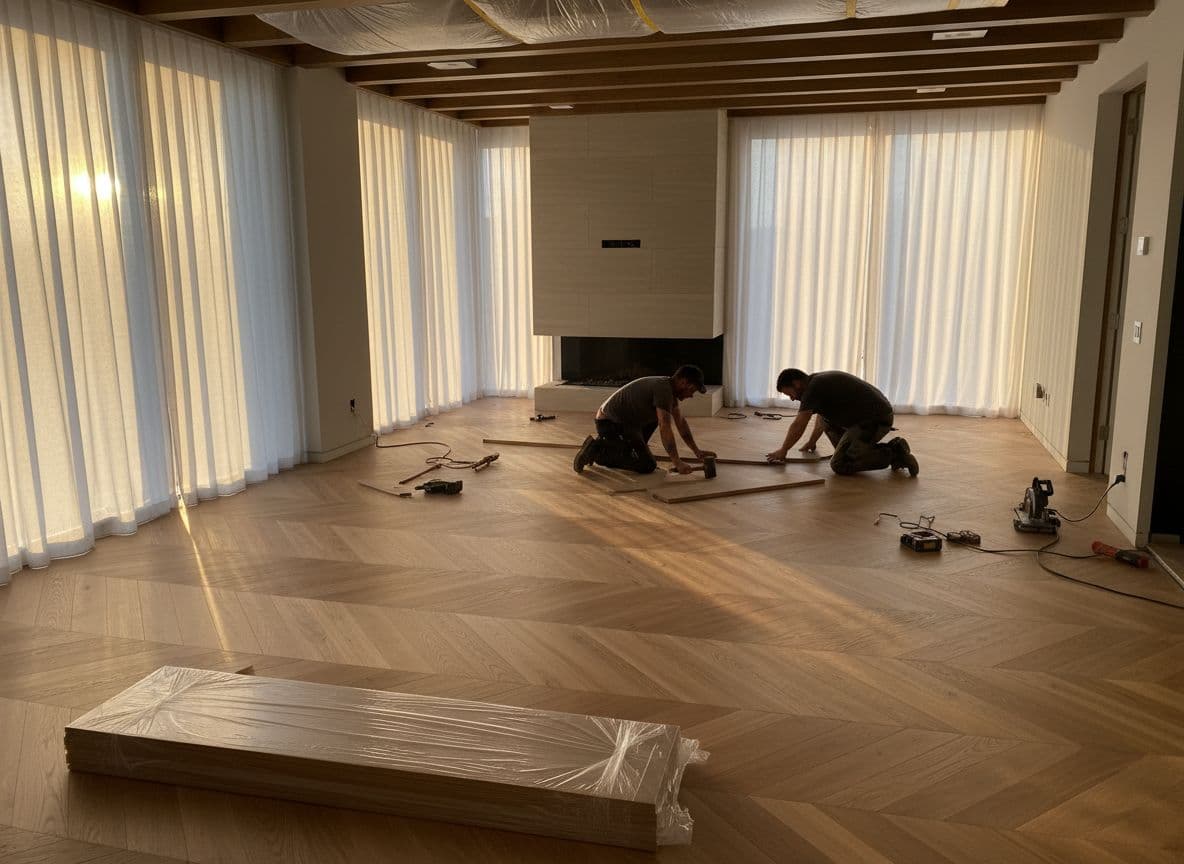
Flooring is one of the biggest interior design decisions in terms of both cost and impact. Material choice creates a 3-5x difference in price per square foot. A 1,000 sq ft floor could cost $3,000 in laminate or $15,000 in hardwood. Understanding material tradeoffs. Durability, maintenance, resale value, and aesthetics. Helps you choose the best option for your budget, lifestyle, and timeline.
Key Factors That Affect Flooring Value
Understanding what drives the price of flooring helps you get the most accurate valuation.
Material Type
Laminate: $3-$8/sq ft installed. Luxury vinyl plank (LVP): $4-$10/sq ft. Engineered hardwood: $6-$14/sq ft. Solid hardwood: $8-$15/sq ft. Porcelain/ceramic tile: $7-$15/sq ft. Natural stone: $10-$25+/sq ft. Carpet: $3-$8/sq ft.
Room Size & Layout
Larger rooms are cheaper per sq ft due to less cutting/waste.complex layouts (many corners, closets, stairs) increase labor. Stairways: add $50-$100 per step. Transitions between rooms/materials: $50-$200 each.
Subfloor Preparation
Level subfloor: no extra cost. Minor leveling: $1-$2/sq ft. Major leveling or subfloor repair: $2-$5/sq ft. Removing existing flooring: $1-$3/sq ft. Asbestos tile removal: $5-$15/sq ft (requires licensed abatement).
Grade & Quality
Entry-level products have thinner wear layers and less realistic patterns. Mid-range offers good balance of appearance and durability. Premium grades feature thicker wear layers, better warranties, and more realistic textures. Grade affects both appearance and longevity.
Installation Method
Floating/click-lock (laminate, LVP): lowest installation cost. Glue-down: moderate cost, more stable. Nail-down (hardwood): highest labor cost. Tile with mortar: highest per-sq-ft installation cost. DIY-friendly options (floating floors) save $2-$5/sq ft on labor.
Tips for Valuing Flooring
Get the most accurate estimate by following these tips when evaluating your flooring.
Order 10% extra material to account for cutting waste and future repairs
Compare installed price, not just material cost. Installation is 40-60% of total
LVP is the best value for most homeowners. Waterproof, durable, and attractive
Hardwood adds the most resale value but costs 2-3x more than LVP
Flooring Market Insights
Luxury vinyl plank (LVP) has become the fastest-growing flooring category, offering waterproof durability with realistic wood looks at mid-range prices. Hardwood remains the gold standard for resale value. Laminate has improved significantly and serves the budget market well. The trend toward wider planks and lighter wood tones continues. Supply chain disruptions have eased, stabilizing prices.
Find Out What Your Flooring Are Worth
Upload a photo now and get a free AI-powered valuation in seconds. No sign-up required.
Flooring Valuation FAQ
What is the cheapest flooring option?
Laminate ($3-$8/sq ft installed) and carpet ($3-$8/sq ft) are the most affordable. Luxury vinyl plank ($4-$10/sq ft) offers the best value considering durability and appearance. For budget projects, sheet vinyl ($2-$5/sq ft) is the absolute cheapest.
What flooring has the best resale value?
Solid hardwood provides the highest resale value (homebuyers consistently prefer it). Engineered hardwood is nearly as good. LVP is increasingly accepted. Carpet and laminate add the least resale value. In kitchens/bathrooms, quality tile adds strong value.
How long does each flooring type last?
Solid hardwood: 50-100+ years (refinishable). Engineered hardwood: 20-40 years. LVP: 15-25 years. Tile: 50+ years. Laminate: 10-20 years. Carpet: 5-15 years. Hardwood and tile offer the best longevity.
Is LVP better than laminate?
For most applications, yes. LVP is waterproof (laminate is not), more durable, quieter underfoot, and has a more realistic feel. LVP costs $1-$3 more per sq ft than laminate but the performance difference is significant, especially in kitchens, bathrooms, and basements.
Can I install flooring myself?
Click-lock floating floors (laminate, LVP) are very DIY-friendly and can save $2-$5/sq ft on installation. Tile, hardwood, and glue-down products are more difficult and benefit from professional installation. A hybrid approach (DIY for easy rooms, pro for complex areas) is common.