Last updated: March 2026
How Much Is My Piano Worth?
Whether you have a Steinway grand, a Yamaha upright, a vintage spinet, or a modern digital piano, our AI identifies the make, model, and condition to provide an accurate market valuation. Get a realistic price before selling, donating, or deciding what to do with an inherited piano.
Also available on


What do you want to value?
Why Knowing Your Pianos Value Matters
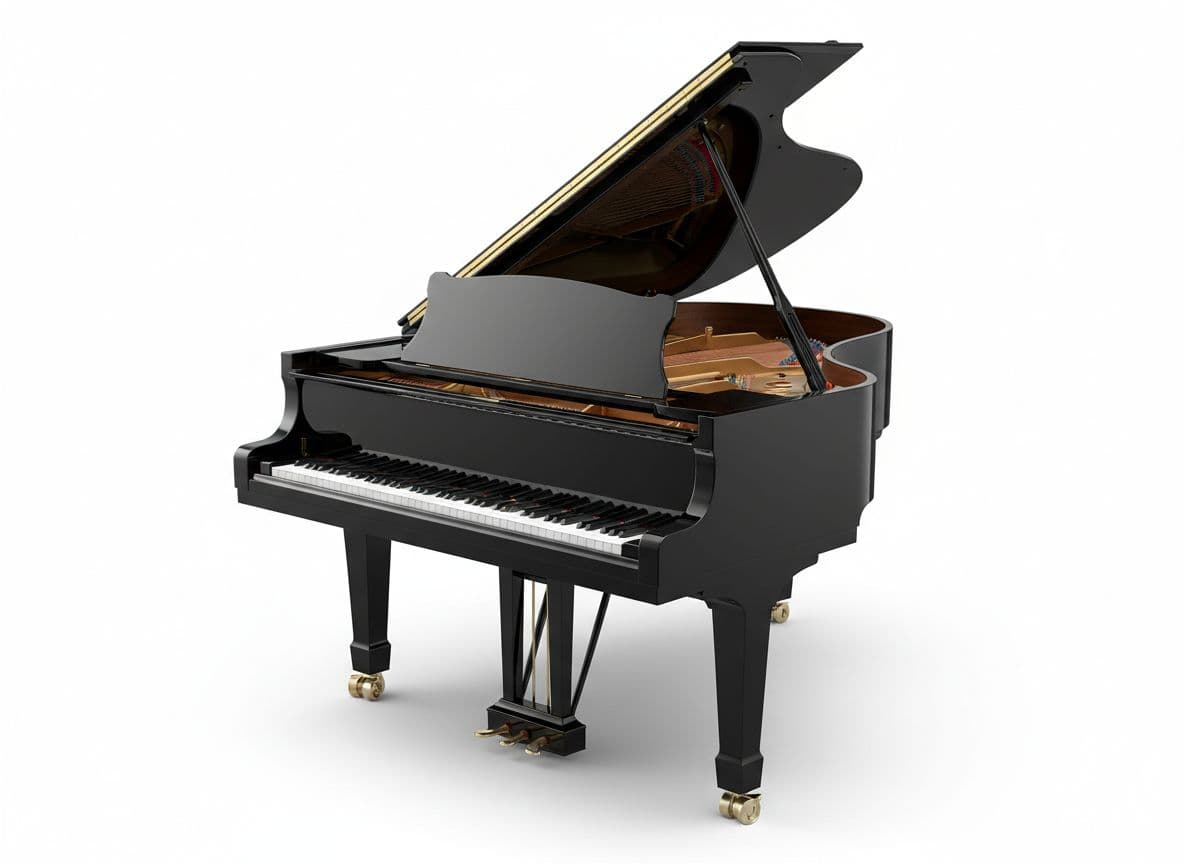
Pianos are among the most challenging items to value and sell. A piano that cost $10,000 new might be worth $2,000 or it might be worth nothing. And most owners cannot tell the difference without expert guidance. The piano market is heavily influenced by brand reputation, age, condition, and local demand. Many families inherit pianos they do not play and face the difficult decision of selling, donating, or paying $300-$800 to have it moved and disposed of. Some pianos actually have negative value because the cost of moving exceeds what anyone would pay. Understanding your piano's true market value saves you from expensive mistakes and helps you identify whether your instrument is a valuable asset or a logistical challenge to rehome.
Key Factors That Affect Pianos Value
Understanding what drives the price of pianos helps you get the most accurate valuation.
Brand & Pedigree
Steinway & Sons, Bosendorfer, and Fazioli grands are the most valuable, retaining 50-80% of value or more. Yamaha and Kawai are strong mid-tier brands that hold 30-50% of value. Lesser-known brands, department store pianos, and no-name uprights may have little to no resale value regardless of cosmetic condition.
Type & Size
Concert and semi-concert grands (7ft+) are the most valuable but have a very limited buyer pool. Baby grands (5-6ft) are the most sellable size for home use. Quality upright pianos have moderate value. Spinets and consoles from the mid-20th century are typically worth $0-$500 unless they are a premium brand.
Age & Internal Condition
A piano's internal condition matters more than its external appearance. The soundboard (checking for cracks), strings, tuning pins (tightness), hammers, and action mechanism determine playability. A beautiful-looking piano with a cracked soundboard or loose tuning pins may be worthless, while a worn-looking Steinway in good internal condition can be worth thousands.
Tuning & Playability
A piano that holds its tune and plays well across all 88 keys is worth significantly more. If a piano has not been tuned in years, it may have dropped below pitch and require expensive pitch-raising services ($200-$500) before it can be properly tuned. Keys that stick, pedals that malfunction, and uneven touch reduce value.
Location & Moving Costs
Piano value is heavily location-dependent. Pianos in major metro areas near affluent neighborhoods are easier to sell. Rural locations face smaller buyer pools. Moving costs ($300-$800 for an upright, $500-$2,000+ for a grand) must be factored in. A $1,000 piano that costs $800 to move has a net value of only $200 to a buyer who must arrange transportation.
Tips for Valuing Pianos
Get the most accurate valuation by following these tips when photographing your pianos.
Photograph the piano from the front showing all keys, and include the brand name on the fallboard
Open the top and photograph the interior. The soundboard, strings, and hammers tell the real story
Include a photo of the serial number (usually found inside the piano on the plate or soundboard)
If possible, record a short video of the piano being played to demonstrate sound quality and key action
Pianos Market Insights
The piano market has experienced significant changes. New piano sales have declined as digital alternatives have improved, putting downward pressure on used acoustic piano prices. However, premium brands like Steinway have maintained or increased in value, especially pre-1970 New York-made instruments. The market is bifurcated: high-quality grands from respected makers sell well, while mediocre uprights and old spinets are extremely difficult to sell at any price. Many piano dealers will not accept trade-ins of low-value instruments. Digital pianos (Yamaha Clavinova, Roland, Nord) have their own resale market with better value retention than budget acoustic pianos. Facebook Marketplace, Craigslist, and Piano Adoption websites are the primary selling channels. Piano technicians and tuners are excellent resources for realistic valuations.
Find Out What Your Pianos Are Worth
Upload a photo now and get a free AI-powered valuation in seconds. No sign-up required.
Pianos Valuation FAQ
Are old pianos worth anything?
It depends entirely on the brand, type, and condition. A pre-1970 Steinway grand in good condition can be worth $15,000-$80,000+. A quality Yamaha or Kawai upright from the 1970s-1990s might be worth $1,000-$3,000. However, most old uprights and spinets from lesser-known brands are worth $0-$500, and some literally have no buyers at any price. The brand name and internal condition are the determining factors.
How much does it cost to move a piano?
Professional piano moving costs $300-$800 for an upright and $500-$2,000+ for a grand piano. Costs increase with stairs, long distances, and difficult access. Never attempt to move a piano yourself. They are extremely heavy (uprights weigh 300-800 lbs, grands 500-1,200 lbs) and can be seriously damaged by improper handling. Moving costs are an important factor in the net value equation for both buyer and seller.
Should I tune my piano before selling?
If your piano has been tuned within the past 1-2 years, a fresh tuning ($150-$250) before selling can make a positive impression on buyers. If the piano has not been tuned in many years, it may require pitch-raising ($200-$500) before it can be properly tuned. For low-value pianos, the cost of tuning may exceed the increase in sale price. For valuable instruments, professional tuning is almost always worthwhile.
Can I donate my piano for a tax deduction?
Yes, donating a piano to a qualified nonprofit (school, church, community center) can provide a tax deduction based on fair market value. For pianos valued over $5,000, an independent appraisal is required by the IRS.organizations like Piano Adoption, Pianos for Education, and local schools may accept donations. Note that the tax deduction is based on the piano's actual fair market value, not the original purchase price or replacement cost.
What is my piano's serial number and why does it matter?
The serial number is typically found inside the piano. On the plate (cast iron frame) near the tuning pins for uprights, or on the plate visible when the lid is raised for grands. The serial number, combined with the brand, tells you the exact year of manufacture. This is critical for valuation because piano quality and desirability vary significantly by era. You can look up manufacture years in the Pierce Piano Atlas or through online databases.