Last updated: March 2026
How Much Are Porcelain Dolls Worth?
Porcelain dolls span from exquisite antique French and German masterpieces worth tens of thousands to modern collectible dolls with more modest values. The market ranges from vintage Jumeau and Bru dolls ($5,000-$300,000+) to Franklin Mint and Ashton-Drake pieces ($5-$50). Our AI identifies your doll's maker, era, size, and condition to provide an accurate value estimate.
Also available on


What do you want to value?
Why Knowing Your Porcelain Dolls Value Matters
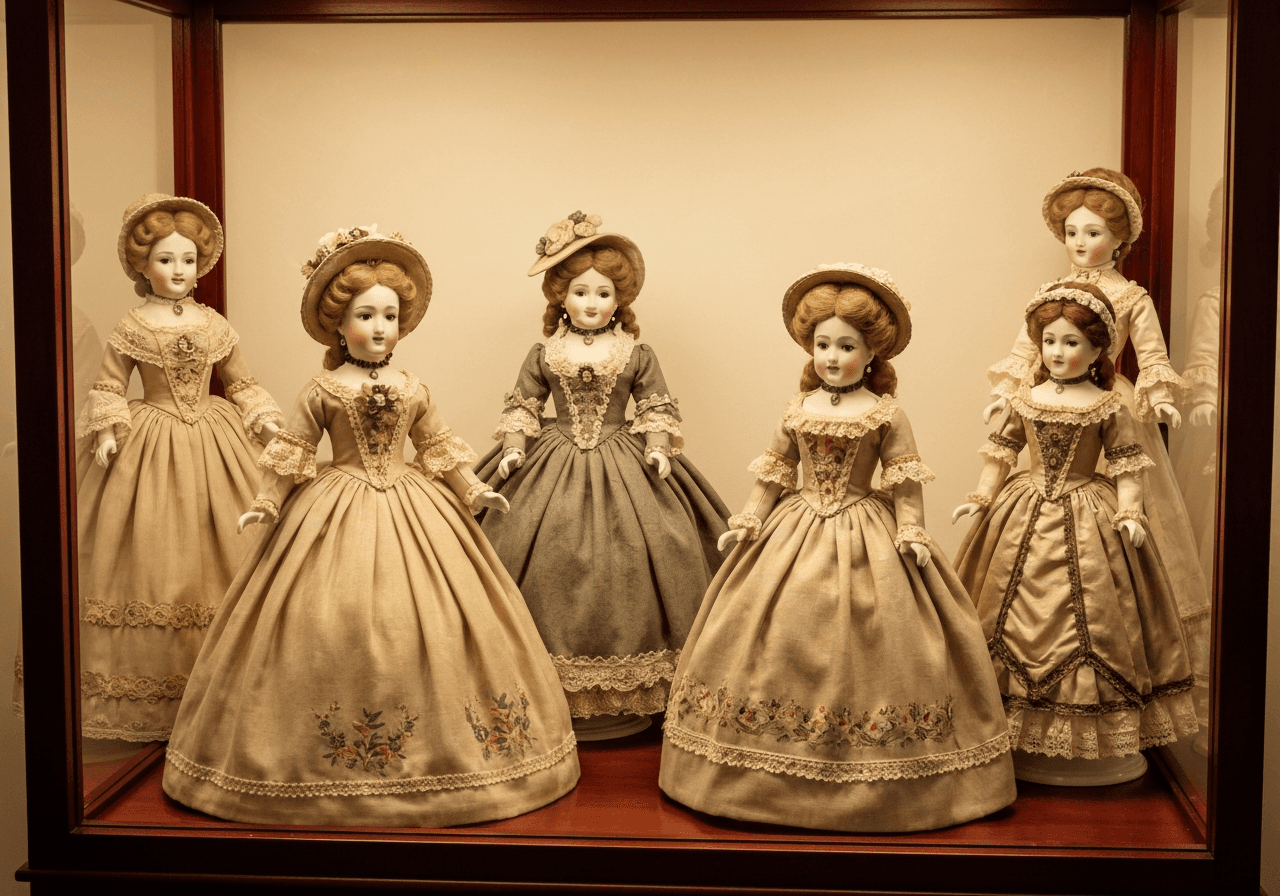
Porcelain doll values vary more than almost any other collectible category. An antique French Bru Jne doll from the 1880s can sell for $50,000-$300,000+, while a 1990s Franklin Mint porcelain doll might be worth $5-$30. Many people inherit porcelain dolls believing they're all valuable, while others have genuinely valuable antique dolls they consider ordinary. The key is identifying the maker and era. Antique bisque-head dolls (pre-1930) from French and German manufacturers are the most valuable. Modern 'collectible' porcelain dolls from the 1980s-2000s have largely not appreciated as hoped.
Key Factors That Affect Porcelain Dolls Value
Understanding what drives the price of porcelain dolls helps you get the most accurate valuation.
Maker & Origin
Most valuable: French makers. Bru ($5K-$300K+), Jumeau ($2K-$100K+), Steiner ($1K-$30K+). German makers. Kestner ($200-$10K+), Simon & Halbig ($100-$5K+), Armand Marseille ($50-$2K). Modern makers: Franklin Mint, Ashton-Drake, Danbury Mint ($5-$50 for most pieces).
Age & Era
Antique bisque (pre-1930): most valuable. China head (1840s-1900s): $100-$5,000+.composition era (1900-1950): moderate values. Hard plastic (1950s-60s): modest values. Modern porcelain collectibles (1980s+): generally $5-$50 with limited appreciation.
Size
Larger antique dolls are generally more valuable. Dolls 24 inches and above command premiums. Miniature/dollhouse-sized antique dolls can also be valuable due to their rarity. For modern collectibles, size has minimal impact on value.
Condition
For antique dolls: no cracks, chips, or repairs to the bisque head = highest value. Original wig, eyes, body: significant premiums. Replaced parts reduce value 30-60%. Original clothing: adds 20-50%. For modern dolls: mint in original box is essential for any value above the minimum.
Marks & Documentation
Maker's marks on the back of the head or neck are the primary identification method. Marked dolls are worth significantly more than unmarked examples. Original boxes, certificates, and tags add value for modern collectibles. For antique dolls, provenance documentation increases value substantially.
Tips for Valuing Porcelain Dolls
Get the most accurate valuation by following these tips when photographing your porcelain dolls.
Check the back of the head/neck for maker's marks. These determine value
Photograph any marks or stamps clearly for identification
Note the material. Bisque (unglazed porcelain) is more valuable than glazed china for antique dolls
If the doll has original clothing and accessories, photograph those separately
Porcelain Dolls Market Insights
The porcelain doll market has bifurcated sharply. Antique French and German bisque dolls remain strong performers at auction, with rare examples setting records. The modern collectible doll market (Franklin Mint, etc.) has disappointed many who bought in the 1980s-2000s hoping for appreciation. Most of these dolls are worth 10-30% of their original retail price. This creates opportunities for buyers but frustration for sellers. The antique market benefits from finite supply, museum interest, and wealthy collectors competing for the best pieces.
Find Out What Your Porcelain Dolls Are Worth
Upload a photo now and get a free AI-powered valuation in seconds. No sign-up required.
Porcelain Dolls Valuation FAQ
Are my porcelain dolls from the 1990s worth anything?
Unfortunately, most 1990s 'collectible' porcelain dolls (Franklin Mint, Ashton-Drake, etc.) are worth $5-$30, well below their original retail price of $50-$200. They were mass-produced during a collectibles boom and supply far exceeds current demand. A few limited editions may have modest value.
How do I identify the maker of my porcelain doll?
Check the back of the head, the neck socket, and the upper back for incised or stamped maker's marks.common marks include 'DEP' (German/French), 'SFBJ' (French), 'AM' (Armand Marseille), 'K*R' (Kammer & Reinhardt). Reference books and online doll identification guides can help decode marks.
What makes a porcelain doll valuable?
The biggest factors are: maker (French Bru/Jumeau = most valuable), age (pre-1930 = collectible), condition (no cracks/repairs, original parts), and size (larger antique dolls are worth more). Original clothing, wigs, and documentation add significant value.
Should I clean my porcelain dolls?
For modern dolls: gentle dusting is fine. For antique dolls: do NOT clean them beyond very gentle dusting. Do not use water, chemicals, or abrasives on bisque heads. Do not wash or alter original clothing. Improper cleaning can destroy value. If restoration is needed, consult a professional doll restorer.
Where can I sell antique porcelain dolls?
For high-value antique dolls ($500+): Theriault's is the premiere doll auction house. Heritage Auctions and major auction houses handle valuable dolls. For mid-range ($50-$500): eBay reaches the most buyers. For modern collectibles: eBay, Facebook groups, or local doll shows.