Last updated: March 2026
How Much Is Your Surfboard Worth?
Whether you have a Channel Islands, Firewire, Lost, Pyzel, JS Industries, or any other shaper's shortboard, longboard, fish, funboard, or foam board, our AI analyzes the shaper, model, dimensions, construction type, and condition to provide an accurate resale valuation. Quiver too large? Moving inland? Know what your surfboard is worth.
Also available on


What do you want to value?
Why Knowing Your Surfboards Value Matters
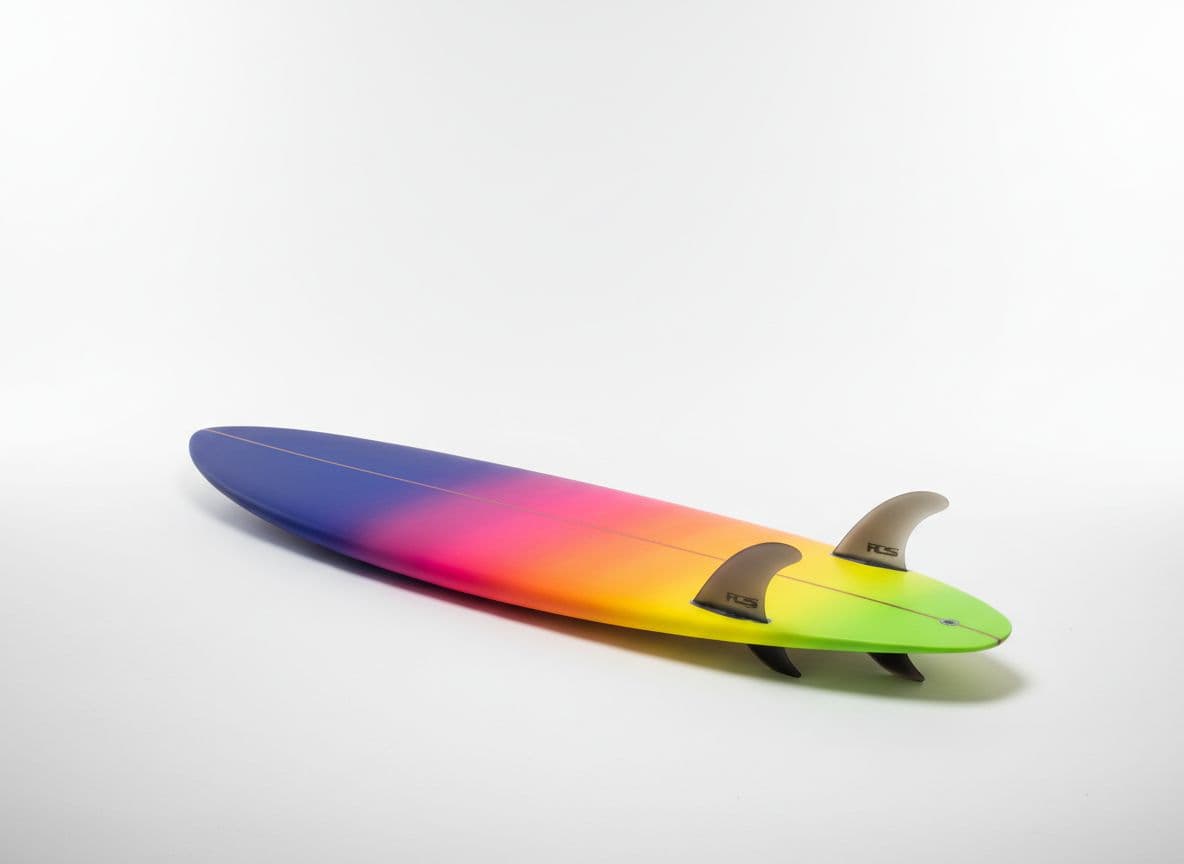
Custom and high-performance surfboards cost $600-$1,200+ new, with premium hand-shaped boards reaching $1,500+. The used surfboard market is robust because surfers frequently buy and sell boards to dial in their quiver for changing conditions, skill progression, and wave preferences. Used boards typically sell for 30-60% of retail depending on brand, condition, and demand. Shaper reputation is the primary value driver. Boards from well-known shapers (Al Merrick/Channel Islands, Matt Biolos/Lost, Jon Pyzel, JS Industries) command premiums. Construction type matters: EPS/epoxy boards maintain structural integrity longer than traditional PU/polyester. The biggest value killer is ding damage. A board with pressure dings, creases, and water-logged areas is worth a fraction of a clean board. Longboards hold value particularly well due to their durability and broad appeal.
Key Factors That Affect Surfboards Value
Understanding what drives the price of surfboards helps you get the most accurate valuation.
Shaper & Brand
Channel Islands (Al Merrick): the market leader, holding 40-55% of retail on used boards. Lost (Matt Biolos): strong resale at 35-50%. Pyzel: growing rapidly with 35-50% retention. JS Industries: 35-45%. Firewire (technology-forward construction): 40-55%. Local shapers and lesser-known brands: 25-40%. Foam boards (Wavestorm, Catch Surf): $30-$80 used. Custom hand-shapes from renowned shapers can appreciate.
Construction & Materials
EPS/epoxy boards (Firewire, Varial foam) hold value better due to durability. Less susceptible to pressure dings and water absorption. Traditional PU/polyester (polyurethane foam, fiberglass/polyester resin) is the classic construction but more fragile. Carbon fiber reinforced boards command premiums. Soft-top (foam) boards are the most affordable and depreciate fastest. Surftech and other molded construction technologies serve the mid-market.
Board Type & Size
Shortboards (5'6"-6'6"): largest market, highest turnover, 30-50% of retail. Longboards (9'0"+): hold value well at 40-60% due to durability and broad appeal. Fish/retro shapes: popular segment, 35-50%. Mid-lengths (7'0"-8'0"): growing trend, strong demand. Funboards (7'0"-8'6"): good for beginners, steady demand. Gun/step-up boards: niche market, lower turnover.common dimensions (within popular size ranges) sell fastest.
Condition & Dings
Board condition is the make-or-break factor. 'Mint' or 'like new' condition: full used value. Light foot dents (pressure dings) and minor surface scratches: normal, 85-95% of value. Repaired dings (professionally): 70-85% of value. Open dings (water can enter): significantly reduced. Must be repaired before selling. Yellowing (UV damage): cosmetic on polyester boards, 10-15% reduction. Creases or buckles near stringer: structural concern, major value reduction. Delamination: significantly reduced value.
Fin Setup & Accessories
Fin boxes should be intact and functioning. FCS II and Futures are the standard systems. Including quality fins adds $30-$100 to the package (FCS II or Futures brand fins). A board with mismatched or missing fins loses perceived value. Including a board bag adds $20-$50 value. Traction pad (tail pad) condition shows use level. Leash plug should be intact. A waxed-up board suggests recent use; a clean board suggests better care.
Tips for Valuing Surfboards
Get the most accurate valuation by following these tips when photographing your surfboards.
Photograph both sides of the board in natural light, showing the overall shape and any dings or repairs
Include close-ups of any damage, repairs, or areas of concern. Transparency builds buyer trust
Note the exact dimensions (length, width, thickness) and the fin setup (thruster, quad, single fin)
Include the shaper/brand name and model if known. These are the primary search terms buyers use
Surfboards Market Insights
Craigslist has historically been the dominant surfboard resale platform in coastal communities. Facebook Marketplace and Facebook surfboard buy/sell groups are now equally effective. Specialized platforms like Boardgrab and the Surfboard Swap meet community serve dedicated surfers. Local surf shops sometimes take consignment or buy used boards. eBay works for vintage and collectible boards but shipping surfboards is expensive ($50-$150+) and risky. The market is regional. Surfboard values are highest in coastal surfing communities (California, Hawaii, Florida, East Coast). Inland sales are possible but prices are significantly lower. Seasonal patterns are mild. Slight increases in spring/summer. The vintage surfboard collector market is strong. 1960s-1980s boards from notable shapers can sell for $500-$5,000+.
Find Out What Your Surfboards Are Worth
Upload a photo now and get a free AI-powered valuation in seconds. No sign-up required.
Surfboards Valuation FAQ
How much is a used surfboard worth?
Foam/soft-top boards: $30-$80. Entry-level hardboards: $80-$200. Mid-range brand shortboards (1-2 years old): $200-$450. Premium shortboards (Channel Islands, Lost, Pyzel): $300-$600. Longboards: $200-$600. Vintage/collectible boards: $300-$5,000+. Condition is the biggest variable. A clean board is worth twice a dinged-up one of the same model.
Where can I sell a surfboard?
Facebook Marketplace and surfboard buy/sell groups are the most effective platforms. Craigslist is strong in coastal areas. Boardgrab and similar specialized platforms reach surf enthusiasts. Local surf shops may consign or buy. eBay works for vintage boards but shipping is expensive. In-person selling at beach parking lots and surf spots works in active surfing communities. Always list the dimensions, shaper, and condition prominently.
Are old surfboards worth anything?
Vintage surfboards (1960s-1980s) from notable shapers can be valuable collectibles: $300-$5,000+ for rare or historically significant boards. Balsa wood boards from the 1950s-60s are museum pieces. Lightning Bolt, Town & Country, and other iconic labels are collected. Boards with notable provenance (owned by professional surfers) command premiums. Most 1990s-2000s boards have minimal collector value unless from significant shapers.
Should I repair dings before selling?
Yes. Always repair open dings before selling. An open ding allows water into the foam, which can cause delamination and rot. Small ding repairs cost $15-$30 DIY or $30-$75 at a shop. The repair cost is always less than the value lost from selling with open dings. Cosmetic dings (sealed, no water entry) can be left as-is with disclosure. Buyers expect some wear on used boards.
EPS or PU. Which surfboard holds value better?
EPS/epoxy boards hold value slightly better because they resist pressure dings, don't absorb water through minor cracks, and maintain their structural integrity longer. However, many surfers prefer PU/polyester for its flex characteristics and traditional feel. Firewire's EPS technology holds value particularly well. For resale purposes, a clean PU board from a premium shaper will outsell a damaged EPS board from an unknown shaper. Brand and condition matter more than construction type.