Last updated: March 2026
How Much Are Ancient Coins Worth?
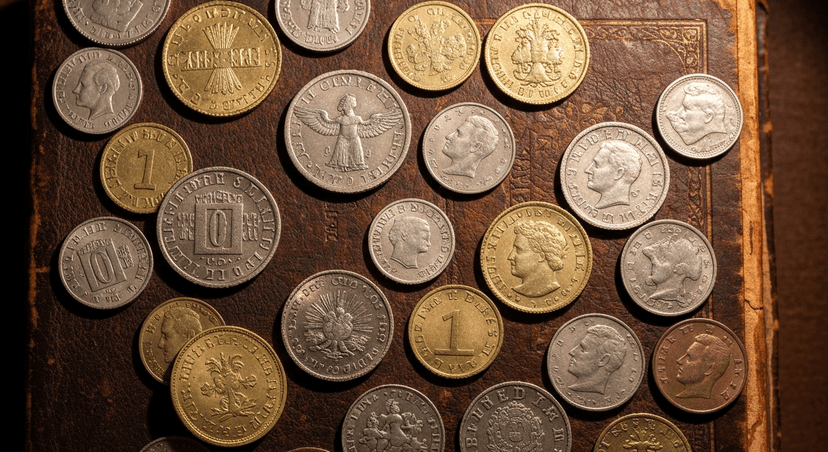
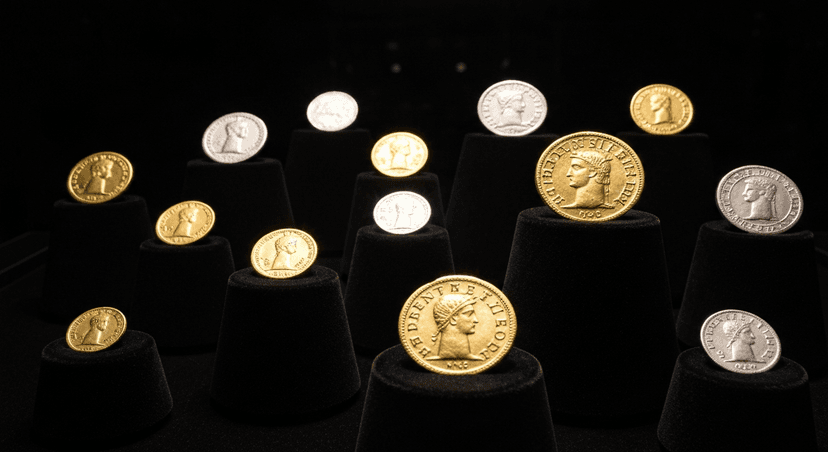
Ancient coins. From Greek drachmas and Roman denarii to Byzantine solidi and Celtic staters. Are windows into history you can hold in your hand. Many people inherit or discover ancient coins without realizing they could be worth significant money. Our AI identifies your ancient coin's civilization, ruler, denomination, and condition to provide a market estimate. Even heavily worn ancient coins have value.
Also available on


What do you want to value?
Why Knowing Your Ancient Coins Value Matters
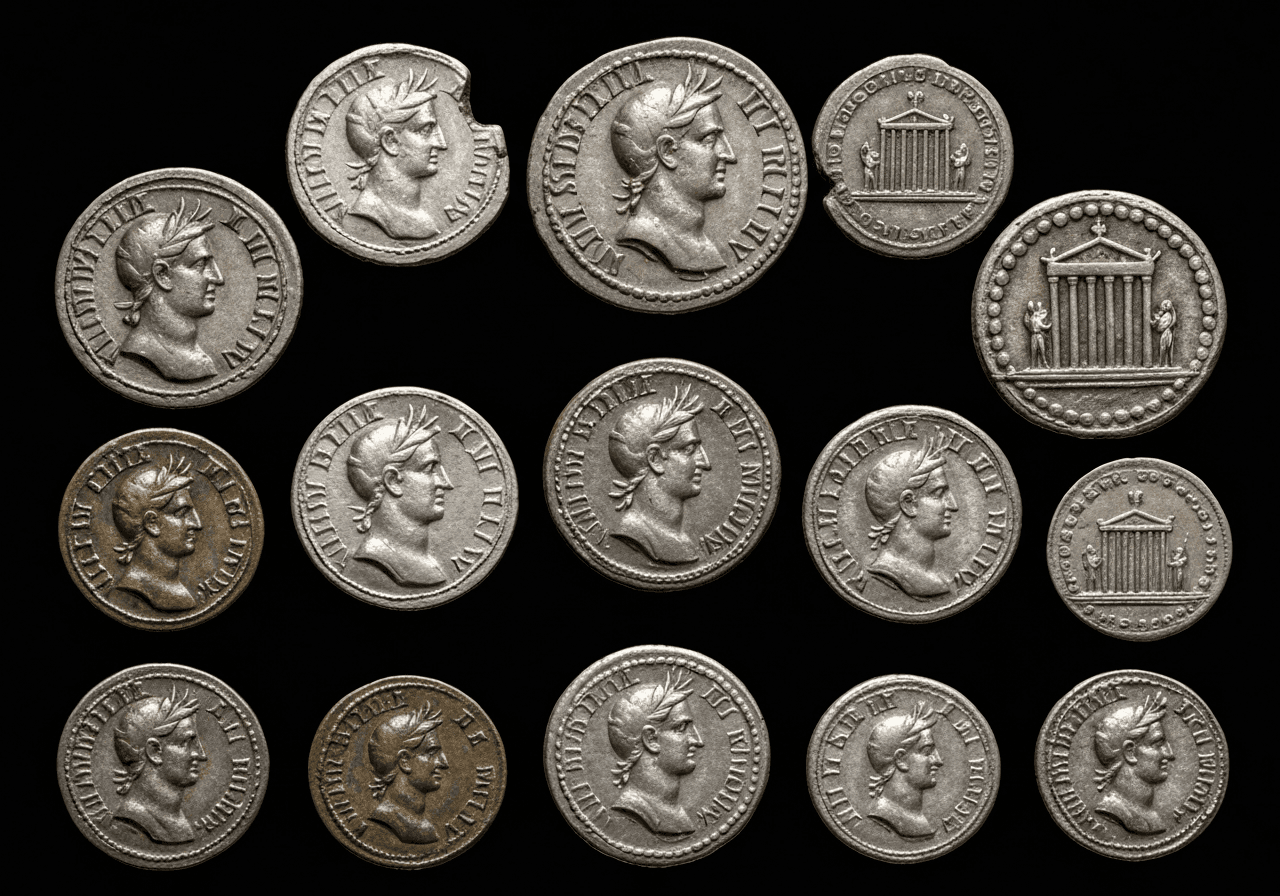
The ancient coin market spans over 2,500 years of history, and values are more accessible than most people realize. A common Roman bronze coin from the 3rd-4th century can be purchased for $5-$20, making ancient coin collecting surprisingly affordable to enter. But the range extends to extraordinary rarities: an Athenian 'Owl' tetradrachm in top condition can bring $5,000-$50,000, and rare gold coins of famous rulers like Alexander the Great or Julius Caesar can command $50,000-$500,000+. Many ancient coins found in old collections or inherited from travelers are worth $20-$500. Meaningful money for something that might otherwise sit in a drawer.
Key Factors That Affect Ancient Coins Value
Understanding what drives the price of ancient coins helps you get the most accurate valuation.
Civilization & Period
Greek coins (600 BC-30 BC): generally most valuable per type. Roman Republic (300-27 BC): strong demand, especially denarii. Roman Imperial (27 BC-476 AD): huge range from $5 common bronzes to $100,000+ gold. Byzantine (476-1453 AD): moderate prices, $10-$5,000+. Celtic, Parthian, Sasanian: specialist markets with strong prices for quality.
Metal & Denomination
Gold coins command the highest prices (gold content + numismatic premium). Silver coins are the most collected (Greek tetradrachms, Roman denarii). Bronze/copper coins are the most affordable entry point ($5-$50 for common types). The metal alone provides base value. Ancient gold and silver coins always have melt value.
Ruler & Historical Significance
Coins depicting famous historical figures command premiums: Alexander the Great, Julius Caesar, Augustus, Cleopatra, Nero, Constantine. Coins related to famous events (assassination of Caesar, founding of Constantinople) are especially prized. Obscure rulers on common denominations bring modest prices.
Condition & Strike Quality
Ancient coins are graded differently than modern coins. Key factors: portrait detail, legend readability, flan shape, centering, and surface quality. A 'Fine' ancient coin might be 2,000 years old and heavily circulated but still worth hundreds if it's a desirable type. Exceptional strike quality (full details, round flan, centered) adds significant premium.
Provenance & Legal Status
Ancient coins with documented provenance (prior collection history, old auction records) command premiums and provide legal comfort. Coins from old European collections pre-dating 1970 are the most desirable. Be aware of cultural property laws. Coins from certain countries may have export restrictions.
Tips for Valuing Ancient Coins
Get the most accurate valuation by following these tips when photographing your ancient coins.
Photograph both sides of the coin in natural light. The portrait and reverse design are key to identification
Don't clean ancient coins. Patina is expected and valued, cleaning destroys it
Note the metal (gold, silver, or bronze) and approximate size for identification
If you have multiple ancient coins, photograph each one separately
Ancient Coins Market Insights
The ancient coin market is one of the oldest collectibles markets in the world. People have been collecting ancient coins since the Renaissance. The market is mature, international, and relatively stable. Prices have shown steady appreciation over decades, with ancient coins outperforming many traditional investments. The market has expanded with online platforms like VCoins, MA-Shops, and CNG auctions making buying and selling easier. There's growing interest from investors seeking tangible, portable assets with historical significance. The supply is finite. While new hoards are occasionally discovered, the overall supply of quality ancient coins is slowly decreasing as coins are lost or damaged.
Find Out What Your Ancient Coins Are Worth
Upload a photo now and get a free AI-powered valuation in seconds. No sign-up required.
Ancient Coins Valuation FAQ
Are ancient coins legal to own?
In most countries including the US, UK, and most of Western Europe, owning ancient coins is completely legal. They've been collected for centuries. However, some source countries have export restrictions, and coins recently smuggled from conflict zones are illegal. Buying from established dealers with provenance documentation ensures legality.
How do I know if my ancient coin is real?
Genuine ancient coins have characteristics that are difficult to fake: natural patina (especially on bronze), proper weight for the denomination, correct die style for the period, and natural wear patterns. Modern fakes often have wrong metal, incorrect style, or suspicious surfaces. Professional authentication (NGC Ancients, David Sear) is available for valuable pieces.
What are the most valuable ancient coins?
The Eid Mar gold aureus of Brutus (celebrating Caesar's assassination) sold for $4.2 million. Athenian dekadrachms, rare gold staters of Philip II and Alexander, and Roman aurei of famous emperors regularly sell for $50,000-$500,000+. Even common types like Roman denarii bring $20-$200 in nice condition.
I inherited some ancient-looking coins. What should I do?
First, don't clean them. Photograph both sides of each coin clearly. Our AI can identify many ancient coin types from photos. For valuable-looking pieces, consult with an ancient coin dealer (most are happy to identify coins from photos for free). Major auction houses like CNG, Heritage, and Roma Numismatics handle high-value ancient coins.
Are ancient coins a good investment?
Ancient coins have a strong track record as alternative investments. They're tangible, portable, historically significant, and have shown steady appreciation over decades. Key advantages: finite supply, growing international demand, no storage costs (unlike art), and the personal enjoyment of owning history. Focus on quality over quantity. One nice coin is a better investment than ten mediocre ones.