Last updated: March 2026
How Much Is Your Estate Jewelry Worth?
Estate jewelry encompasses any pre-owned jewelry, from antique Victorian brooches to vintage Art Deco rings to modern designer pieces. Many people inherit jewelry without understanding its potential value. Our AI evaluates your jewelry's style, period, materials, and likely maker to provide a market estimate that considers both material value and collector/design premiums.
Also available on


What do you want to value?
Why Knowing Your Estate Jewelry Value Matters
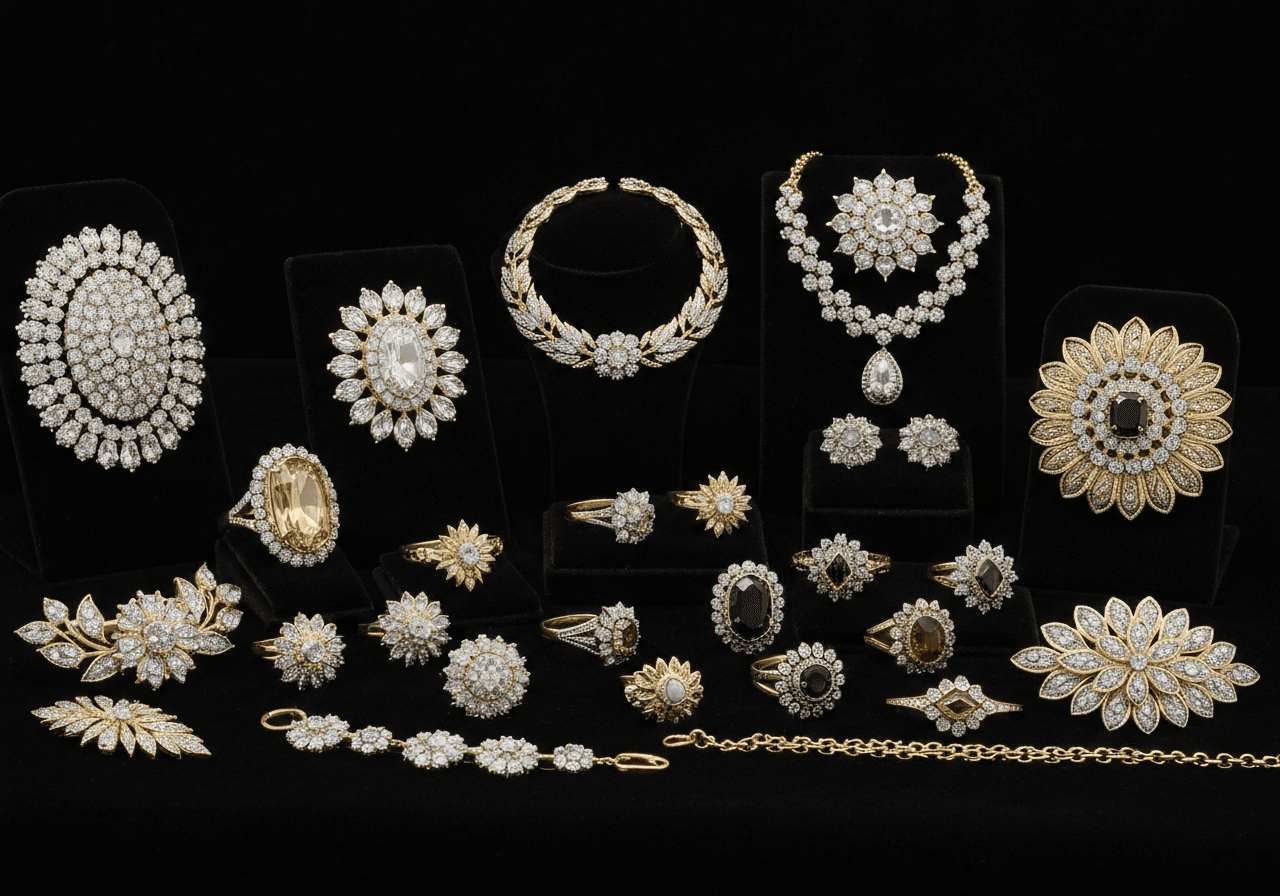
Estate jewelry is one of the most commonly undervalued inherited possessions. A box of 'grandma's old costume jewelry' might contain signed designer pieces worth $100-$1,000+ each. What looks like a simple gold brooch could be a Victorian mourning piece worth $200-$500. A pair of 'clip earrings' could be signed Miriam Haskell or Eisenberg, worth $50-$300+. Even unsigned pieces from desirable periods (Art Deco, Art Nouveau, Retro) carry design premiums above their material value. The biggest mistake sellers make is treating all estate jewelry as 'scrap gold'. many pieces are worth 3-10x their melt value.
Key Factors That Affect Estate Jewelry Value
Understanding what drives the price of estate jewelry helps you get the most accurate valuation.
Period & Style
Georgian (1714-1837): $200-$50,000+. Victorian (1837-1901): $50-$10,000+. Art Nouveau (1890-1910): $100-$20,000+. Edwardian (1901-1915): $100-$15,000+. Art Deco (1920-1935): $100-$50,000+. Retro (1935-1950): $50-$5,000+. Mid-Century Modern (1950-1970): $50-$5,000+.
Materials & Gemstones
Gold, platinum, and silver provide base material value. Natural diamonds, rubies, sapphires, and emeralds add significant value. Pearls (natural vs cultured matters enormously. Natural pearls can be worth 10-100x cultured). Check for precious metal stamps and have stones evaluated separately.
Maker & Designer
Signed pieces command premiums: Cartier, Tiffany, Van Cleef & Arpels, Harry Winston (fine jewelry, 2-5x generic). Costume jewelry designers: Miriam Haskell, Eisenberg, Schiaparelli, Chanel, Kenneth Jay Lane ($25-$1,000+ for signed pieces). Check clasps, backs, and tags for signatures.
Costume Jewelry Value
Not all costume (non-precious metal) jewelry is worthless. Signed vintage costume by top designers: $25-$1,000+. Bakelite jewelry (1930s-1940s): $25-$500+. Rhinestone pieces from the 1950s: $15-$200. Unsigned but well-made pieces from the right era: $10-$100.
Condition & Wearability
Wearable condition: full value. Missing stones: 30-60% reduction depending on replacability. Broken clasps or chains: minor reduction (easily repaired). Heavy wear on gold: moderate reduction. For antique pieces, some wear is expected and acceptable.
Tips for Valuing Estate Jewelry
Get the most accurate valuation by following these tips when photographing your estate jewelry.
Check all clasps, backs, and tags for maker's marks and signatures
Look for hallmarks inside rings and on clasp mechanisms
Separate precious metals from costume jewelry. A magnet test is a quick first check
Photograph any marks, signatures, or stamps clearly for identification
Estate Jewelry Market Insights
The estate jewelry market is robust and growing, driven by sustainability consciousness (buying vintage vs new), unique design appeal, and investment demand for precious metals and stones. Online platforms have democratized the market. Consignment sites like The RealReal, Worthy.com, and auction houses make selling easier. Antique and period jewelry has seen particular strength as younger buyers seek unique, non-mass-produced pieces. The costume jewelry market has its own dedicated collectors who pay surprising prices for signed designer pieces.
Find Out What Your Estate Jewelry Are Worth
Upload a photo now and get a free AI-powered valuation in seconds. No sign-up required.
Estate Jewelry Valuation FAQ
How do I know if my inherited jewelry is valuable?
Start by separating precious metals from costume. Check for gold stamps (10k, 14k, 18k), silver marks (925, Sterling), and platinum marks (PLAT, 950). Look for designer signatures on clasps and backs. Have significant pieces evaluated by a gemologist for stone quality. Even costume jewelry can be valuable if signed by known designers.
What estate jewelry is worth the most?
Signed pieces from luxury houses (Cartier, Van Cleef, Tiffany) command the highest prices. Art Deco diamond and platinum pieces are highly valued. Natural pearl jewelry (pre-1920s) can be extremely valuable. Large, high-quality diamonds and colored gemstones hold and appreciate in value.
Should I sell estate jewelry for gold melt or as jewelry?
Always check if pieces have value beyond melt before selling. Designer pieces, antique jewelry, and items with quality gemstones are worth 2-10x their melt value. Only generic, modern, non-designer gold jewelry without significant stones should be considered for melt. Get multiple opinions before committing.
What are the best places to sell estate jewelry?
High-value ($5,000+): auction houses (Heritage, Christie's, Sotheby's). Mid-range ($500-$5,000): The RealReal, Worthy.com, specialized estate jewelers. Designer costume: eBay, Etsy, 1stDibs. Gold melt: compare multiple gold buyers. Avoid pawn shops for first offers. They typically pay the least.
Is vintage costume jewelry worth anything?
Signed vintage costume can be very valuable: Miriam Haskell ($50-$500+), Eisenberg ($30-$300), Schiaparelli ($50-$500), Chanel ($100-$1,000+), Kenneth Jay Lane ($25-$200). Bakelite jewelry: $25-$500+. Even unsigned vintage rhinestone brooches and necklaces from the 1940s-1960s can be worth $15-$100+.