Last updated: March 2026
How Much Is My Furniture Worth?
From antique mahogany dressers to mid-century modern Eames chairs, our AI evaluates your furniture based on style, era, materials, condition, and current market trends. Perfect for estate sales, moving, or redecorating.
Also available on


What do you want to value?
Why Knowing Your Furniture Value Matters
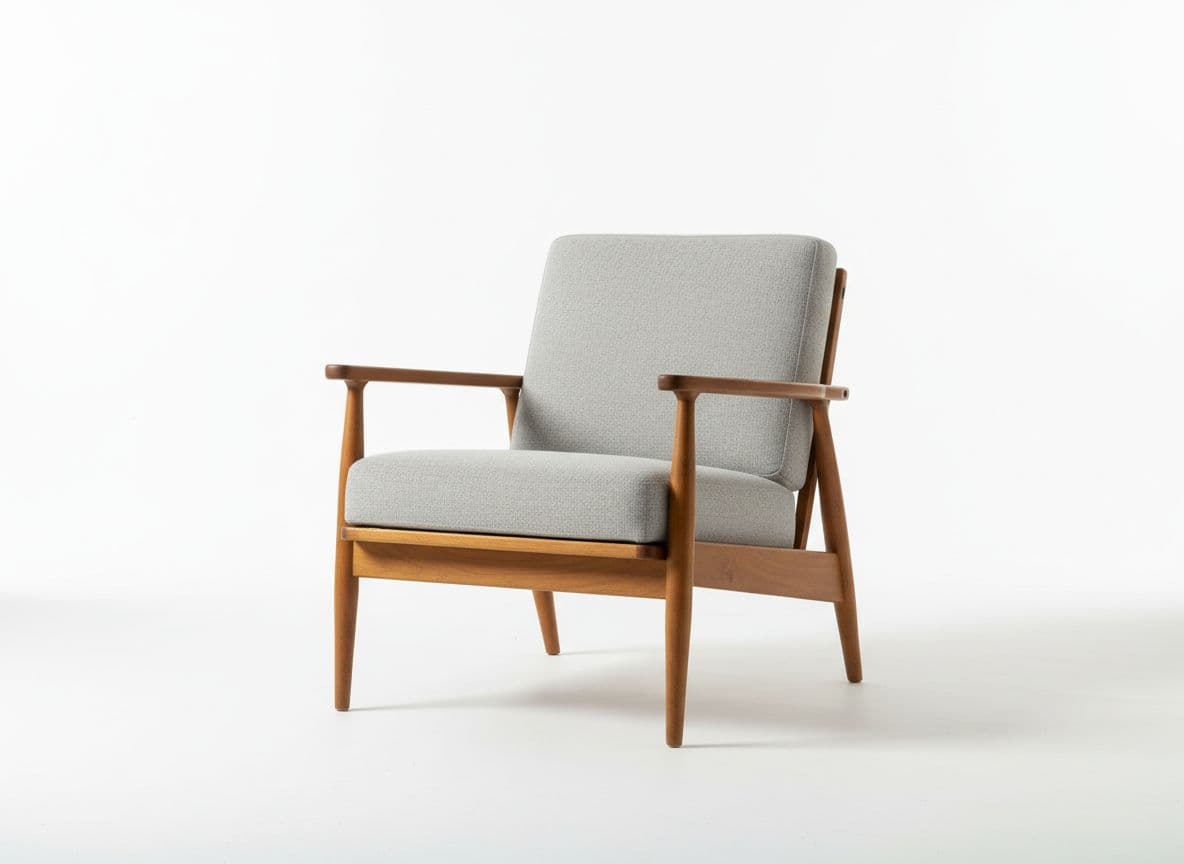
Furniture is one of the most common items people need to value, whether they're moving, downsizing, handling an estate, or simply redecorating. The challenge is that furniture values are wildly unpredictable - a chair that looks ordinary might be a designer piece worth $5,000, while an ornate Victorian dresser that looks impressive might struggle to sell for $200 in today's market. Trends have shifted dramatically away from heavy traditional furniture toward clean-lined mid-century modern and Scandinavian designs. Knowing what your furniture is actually worth in today's market - not what it cost decades ago or what it's insured for - helps you price it correctly, choose the right selling venue, and avoid the heartbreak of a garage sale when pieces deserve auction house attention.
Key Factors That Affect Furniture Value
Understanding what drives the price of furniture helps you get the most accurate valuation.
Designer & Manufacturer
Furniture by recognized designers (Charles Eames, Hans Wegner, George Nakashima, Florence Knoll) commands premium prices. Manufacturers like Herman Miller, Knoll, Fritz Hansen, and Cassina add value. Even lesser-known quality makers like Heywood-Wakefield or Drexel have collector followings. Unsigned or unmarked pieces are worth significantly less.
Style & Period
Mid-century modern (1950s-1970s) is the most in-demand style currently, commanding strong prices for quality examples. Art Deco, Arts & Crafts, and Shaker furniture have dedicated markets. Traditional mahogany, oak, and walnut furniture from the 18th-19th century has softened in value unless it's from a recognized maker.
Material & Construction
Solid hardwood construction with quality joinery (dovetails, mortise-and-tenon) indicates higher value. Veneer over particle board has minimal resale value. Premium materials like walnut, teak, rosewood, and cherry command higher prices. Marble, brass, and high-quality leather upholstery also add value.
Condition & Originality
Original finish, upholstery, and hardware are preferred for collectible furniture. Professional reupholstery in appropriate fabric is acceptable and sometimes adds value for seating. Amateur refinishing reduces value for collectible pieces. Structural issues like loose joints, broken legs, and water damage significantly reduce value.
Size & Practicality
The market has shifted toward smaller, apartment-friendly pieces. Oversized dining sets for 12, massive armoires, and heavy breakfronts are difficult to sell regardless of quality.compact, versatile pieces with clean lines are in highest demand. This is a function of modern living spaces being smaller than they were decades ago.
Tips for Valuing Furniture
Get the most accurate valuation by following these tips when photographing your furniture.
Photograph the piece from the front and at an angle to show proportions
Include close-ups of any maker's marks, labels, or stamps
Show the construction details like joinery and hardware
Photograph any damage, refinishing, or modifications
Furniture Market Insights
The furniture resale market has been transformed by platforms like Chairish, 1stDibs, Facebook Marketplace, and AptDeco. Mid-century modern pieces by name designers continue to appreciate, with original Eames lounge chairs regularly selling for $4,000-$6,000 and vintage Hans Wegner chairs fetching similar prices. The 'brown furniture' category (traditional antiques) remains soft, though truly exceptional period pieces still find buyers at auction. Sustainability-minded younger buyers are increasingly shopping secondhand, which has lifted demand for quality vintage furniture across all styles. Local pickup marketplaces like Facebook Marketplace and Craigslist remain the primary venues for furniture due to shipping challenges.
Find Out What Your Furniture Are Worth
Upload a photo now and get a free AI-powered valuation in seconds. No sign-up required.
Furniture Valuation FAQ
What vintage furniture is most valuable?
Mid-century modern pieces (Herman Miller, Knoll, Danish designs) are highly sought after. Antique pieces from known makers, Arts & Crafts / Mission style, and Art Deco furniture also command premium prices.
Does refinishing furniture decrease its value?
For antiques and vintage pieces, original finish is almost always more valuable. Refinishing can decrease value by 50% or more for collectible furniture. For everyday vintage pieces, a quality refinish may actually increase salability.
How do I identify my furniture's maker?
Check for labels, stamps, or branded marks on the bottom, back, or inside drawers. Our AI can also identify many styles and makers from design characteristics alone.
Is it worth shipping furniture to sell it?
For high-value designer pieces ($500+), yes - platforms like Chairish and 1stDibs offer white-glove shipping. For mid-range pieces, local pickup through Facebook Marketplace or Craigslist avoids shipping costs. Flat-pack or easily disassembled pieces are more feasible to ship. Shipping costs for large furniture can range from $150-$600+, so factor that into your pricing.
Should I reupholster furniture before selling?
For designer pieces, original upholstery in good condition is preferred by collectors. If the fabric is torn or heavily stained, professional reupholstery in a period-appropriate fabric can increase value. For everyday vintage furniture, fresh upholstery in a modern neutral fabric makes pieces much more sellable. The cost of reupholstery ($500-$2000+) should be weighed against the potential value increase.