Last updated: March 2026
How Much Is My KitchenAid Mixer Worth?
Whether you have a vintage Hobart-era KitchenAid, a classic Artisan in a rare color, a heavy-duty Professional series, or a limited-edition design collaboration, our AI identifies the model, color, era, and condition to provide an accurate market value. From rare vintage K5-A models to modern Artisan mixers, discover what your KitchenAid is worth.
Also available on


What do you want to value?
Why Knowing Your KitchenAid Mixers Value Matters
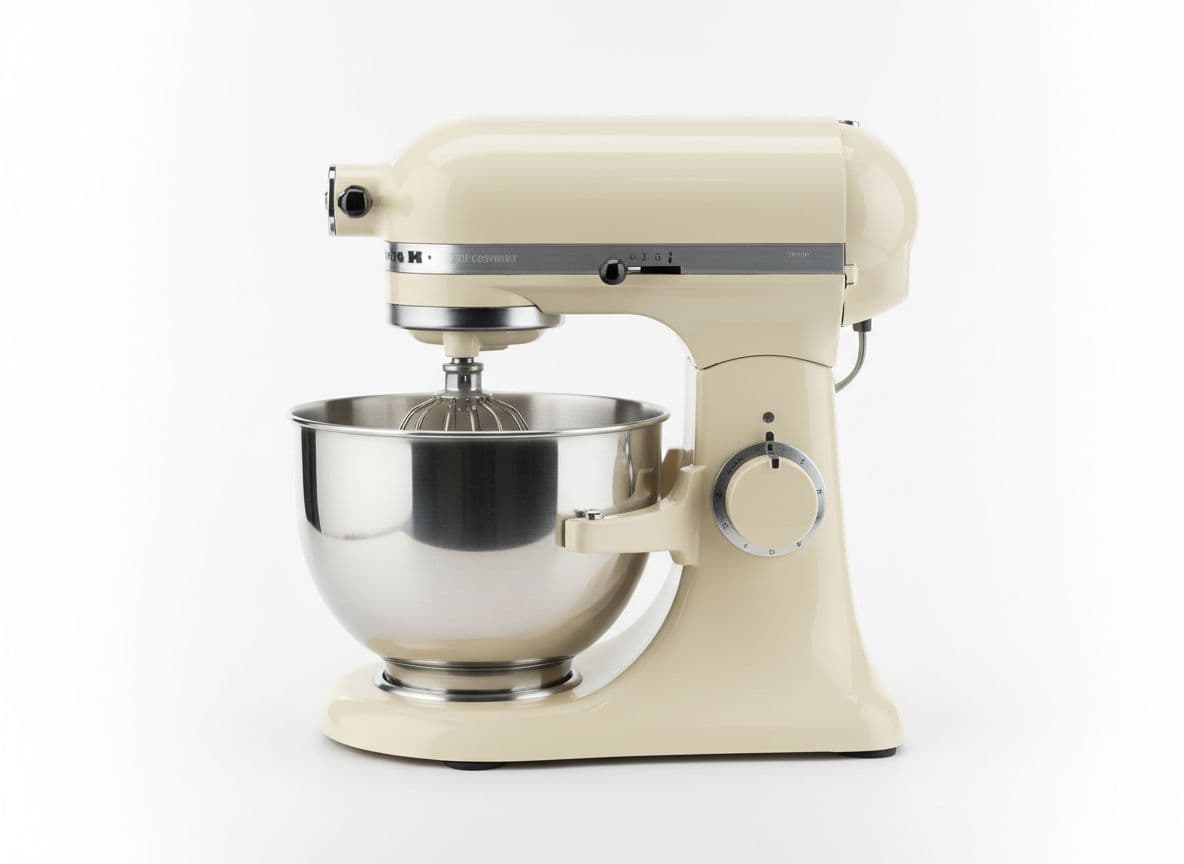
KitchenAid stand mixers hold value exceptionally well due to their durability and brand reputation. A used Artisan mixer in good condition typically sells for $150-$250, while new ones retail for $350-$450. Vintage Hobart-era models (pre-1986) are especially sought after for their all-metal gears and robust construction. A vintage K5-A can sell for $200-$400. Rare and discontinued colors command premiums, with some limited-edition colors selling above retail on the secondhand market. Many people have inherited or received KitchenAid mixers they don't use, sitting unused on countertops or in cabinets. Given the strong resale market, selling an unused KitchenAid is significantly more profitable than letting it collect dust.
Key Factors That Affect KitchenAid Mixers Value
Understanding what drives the price of kitchenaid mixers helps you get the most accurate valuation.
Model & Series
KitchenAid produces several lines at different price points. The Artisan (5-qt) is the most common and sells used for $150-$250. The Professional 600 (6-qt) commands $200-$350 used. The Commercial and Pro Line series bring even more. Vintage Hobart-era models (K45, K5-A, K5SS) are valued for their all-metal construction and can bring $200-$400+ in working condition.
Color
KitchenAid is famous for its wide color range. Standard colors (white, silver, black) sell at typical used prices. Discontinued and limited-edition colors (Pistachio, Aqua Sky, Boysenberry, Pebbled Palm, Bird of Paradise) command 20-50% premiums. Some rare colors sell above retail on the secondary market. The color is often the deciding factor for buyers who want a specific aesthetic.
Condition & Functionality
A fully functional mixer with no mechanical issues commands full price.common issues include worn worm gears (causing the head to not lock), stripped speed control, and grease leaking from the gearbox. Cosmetic condition of the finish. Chips, scratches, and discoloration. Also affects value. A mixer that works perfectly but has cosmetic wear sells for less than a pristine example.
Included Attachments
The standard mixer comes with a flat beater, dough hook, and wire whisk. Having all three original attachments increases value. Additional attachments like the flex edge beater, pouring shield, food grinder, pasta roller, and other hub accessories add further value. A complete setup with multiple attachments can sell for 30-50% more than the mixer alone.
Age & Manufacturing
Pre-1986 Hobart-manufactured KitchenAids are prized for their all-metal gear trains (modern models use a nylon worm gear designed to strip as a safety feature). These vintage models are considered more durable and repairable. The shift from Hobart to Whirlpool manufacturing is a significant dividing line for collectors and kitchen equipment enthusiasts.
Tips for Valuing KitchenAid Mixers
Get the most accurate valuation by following these tips when photographing your kitchenaid mixers.
Photograph the mixer from the front and side, clearly showing the color and model badge
Include a photo of the model/serial number plate on the underside of the mixer
Show all included attachments and accessories laid out beside the mixer
Note if the mixer has any mechanical issues. Head not locking, speed control problems, unusual noises
KitchenAid Mixers Market Insights
The KitchenAid resale market is consistently active, driven by the brand's strong reputation and high retail prices. Facebook Marketplace and eBay are the primary selling platforms, with Craigslist and OfferUp also popular for local sales. The market segments into two distinct groups: practical buyers seeking affordable mixers for baking, and enthusiasts seeking specific colors or vintage models. Rare colors drive emotional buying and premium prices. Vintage Hobart-era mixers have a devoted following among bakers who prefer the all-metal construction. Refurbished mixer businesses have emerged, buying broken units, repairing them, and reselling at a markup. Prices are stable year-round with slight increases during holiday baking season.
Find Out What Your KitchenAid Mixers Are Worth
Upload a photo now and get a free AI-powered valuation in seconds. No sign-up required.
KitchenAid Mixers Valuation FAQ
How long do KitchenAid mixers last?
KitchenAid stand mixers are built to last decades with proper use and maintenance. Many Hobart-era models from the 1960s-1980s are still in daily use. Modern models can last 15-25+ years with normal home use. This exceptional longevity is why used KitchenAid mixers retain value so well. Buyers know they're getting years of reliable service.
Is a vintage KitchenAid better than a new one?
Vintage Hobart-era KitchenAids (pre-1986) have all-metal gear trains, which many bakers consider superior to modern models that use a nylon worm gear. The nylon gear is designed to strip under overload as a safety feature, which means modern mixers may need gear replacement over time. However, new models have improved motors and bowl designs. Both have their advantages.
Which KitchenAid mixer colors are rare?
The rarest KitchenAid colors include limited-edition releases like Bird of Paradise, Pebbled Palm, Blossom, Hibiscus, and various Williams Sonoma exclusives. Discontinued standard colors like Tangerine, Cornflower Blue, and Boysenberry also carry premiums. KitchenAid releases new limited colors regularly, and popular ones sell out quickly. Check the model label to confirm the exact color name.
Can a broken KitchenAid mixer be fixed?
Yes. KitchenAid stand mixers are very repairable. The most common repair is replacing the worm gear (a $10-$20 part, about 1 hour of labor). Other common repairs include speed control plates, grease repacking, and brush replacement. Many YouTube tutorials exist for DIY repairs. A broken mixer is still worth $50-$100+ for parts or repair, so don't throw it away.