Last updated: March 2026
How Much Does a Septic System Cost?
A new septic system costs $3,000 to $25,000+ depending on the type (conventional, aerobic, mound), soil conditions, and local regulations. Pumping costs $300-$600 every 3-5 years. Enter your situation for a detailed cost breakdown.
Also available on


Septic System Value Calculator
Fill in the details below for an accurate estimate
Why Knowing Your Septic System Value Matters
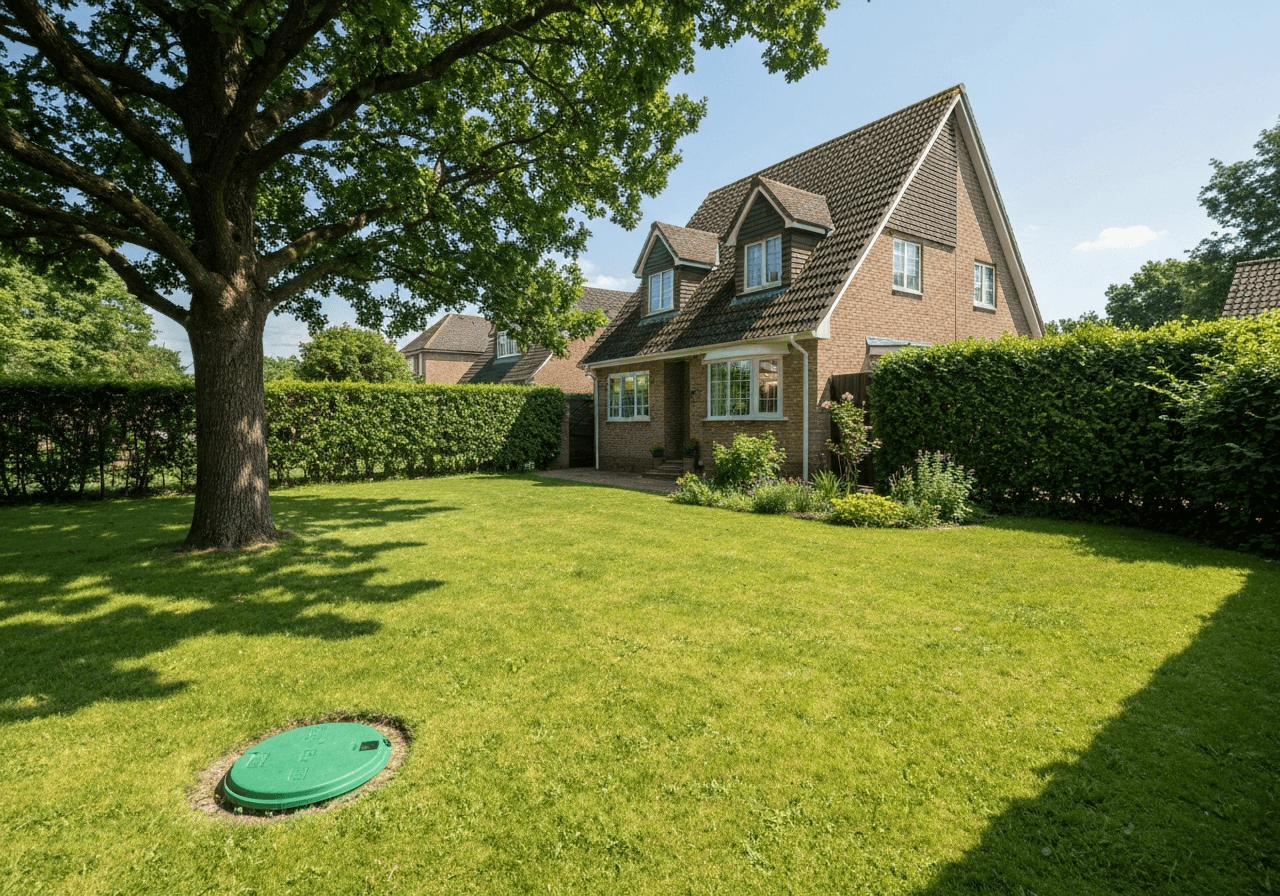
Approximately 20% of US homes use septic systems rather than municipal sewer. A new conventional septic system costs $3,000-$10,000, while advanced systems (aerobic, mound, drip) can reach $15,000-$25,000+. System failure is a homeowner's nightmare. Raw sewage backup, contaminated groundwater, and $10,000-$30,000 emergency replacement costs. Regular maintenance ($300-$600 pumping every 3-5 years) extends system life to 25-30+ years and prevents costly emergencies.
Key Factors That Affect Septic System Value
Understanding what drives the price of septic system helps you get the most accurate valuation.
System Type
Conventional (gravity-fed): $3,000-$10,000. Aerobic treatment unit (ATU): $10,000-$20,000. Mound system (for high water table): $10,000-$25,000. Drip distribution: $8,000-$18,000. Sand filter: $6,000-$15,000. The soil and water table conditions on your property determine which type is required.
Home Size & Tank Size
1-2 bedroom home (750 gallon tank): $3,000-$5,000. 3 bedroom (1,000 gallon): $4,000-$7,000. 4 bedroom (1,250 gallon): $5,000-$10,000. 5+ bedrooms (1,500+ gallon): $7,000-$15,000. Tank size is determined by the number of bedrooms, not bathrooms.
Soil & Site Conditions
Good percolating soil (sandy/loamy): lowest cost. Conventional system works. Clay or poor draining soil: requires alternative system ($5,000-$15,000 more). High water table: mound system required ($10,000-$25,000). Rocky terrain: excavation costs increase significantly.
Permits & Inspections
Septic permits: $200-$1,000 depending on county. Required perc test (soil percolation test): $250-$1,000. Engineering/design (for alternative systems): $500-$2,000. Final inspection: $100-$500. Some counties require annual inspection of advanced systems ($100-$300/year).
Maintenance Costs
Pumping (every 3-5 years): $300-$600. Inspection: $100-$300. Risers installation (for easy access): $200-$400 one-time. Effluent filter replacement: $50-$100 every 1-2 years. Aerobic system maintenance: $100-$300/year (required by most counties).
Tips for Valuing Septic System
Get the most accurate estimate by following these tips when evaluating your septic system.
Describe whether you need a new installation, replacement, or repair
Specify the number of bedrooms (determines tank size)
Note your soil type if known (sandy, clay, rocky)
Include your county/state for permit cost estimates
Septic System Market Insights
Septic system costs have increased 20-30% since 2020 due to higher material costs (concrete, plastic) and labor shortages in excavation trades. Environmental regulations have tightened in many states, requiring more expensive advanced treatment systems near waterways and in environmentally sensitive areas. The average lifespan of a properly maintained septic system is 25-30 years. Neglected systems fail at 15-20 years. Home sale inspections frequently uncover septic issues, making maintenance history important for resale value.
Find Out What Your Septic System Are Worth
Upload a photo now and get a free AI-powered valuation in seconds. No sign-up required.
Septic System Valuation FAQ
How much does septic tank pumping cost?
Septic tank pumping costs $300-$600 depending on tank size and location. A 1,000-gallon tank: $300-$400. A 1,500-gallon tank: $400-$600. Pumping should be done every 3-5 years. Waiting too long can cause solids to enter the drain field, leading to $5,000-$15,000 in repairs.
How long does a septic system last?
With proper maintenance (regular pumping, no harmful chemicals, appropriate water usage): 25-30+ years. Without maintenance: 15-20 years. Concrete tanks last 40+ years. Plastic tanks: 30-40 years. The drain field is usually the first component to fail.
How do I know if my septic system is failing?
Warning signs: slow drains throughout the house, gurgling sounds in pipes, sewage odor in the yard, soggy spots or unusually green grass over the drain field, sewage backup into the house. If you notice any of these, call a septic professional immediately.
Does a new septic system add home value?
A new septic system doesn't typically add value above its cost, but a failing system can reduce home value by $10,000-$30,000 or make the home unsellable. A well-maintained system with recent pump records is a positive selling point.