Last updated: March 2026
How Much Is My Vintage Tupperware Worth?
Whether you have 1950s pastel Wonder Bowls, mid-century Servalier canisters, retro Jel-N-Serve molds, or rare promotional pieces, our AI identifies the product line, era, color, and condition to deliver an accurate market value. From sought-after vintage sets to common everyday pieces, discover what your Tupperware is actually worth on today's market.
Also available on


What do you want to value?
Why Knowing Your Vintage Tupperware Value Matters
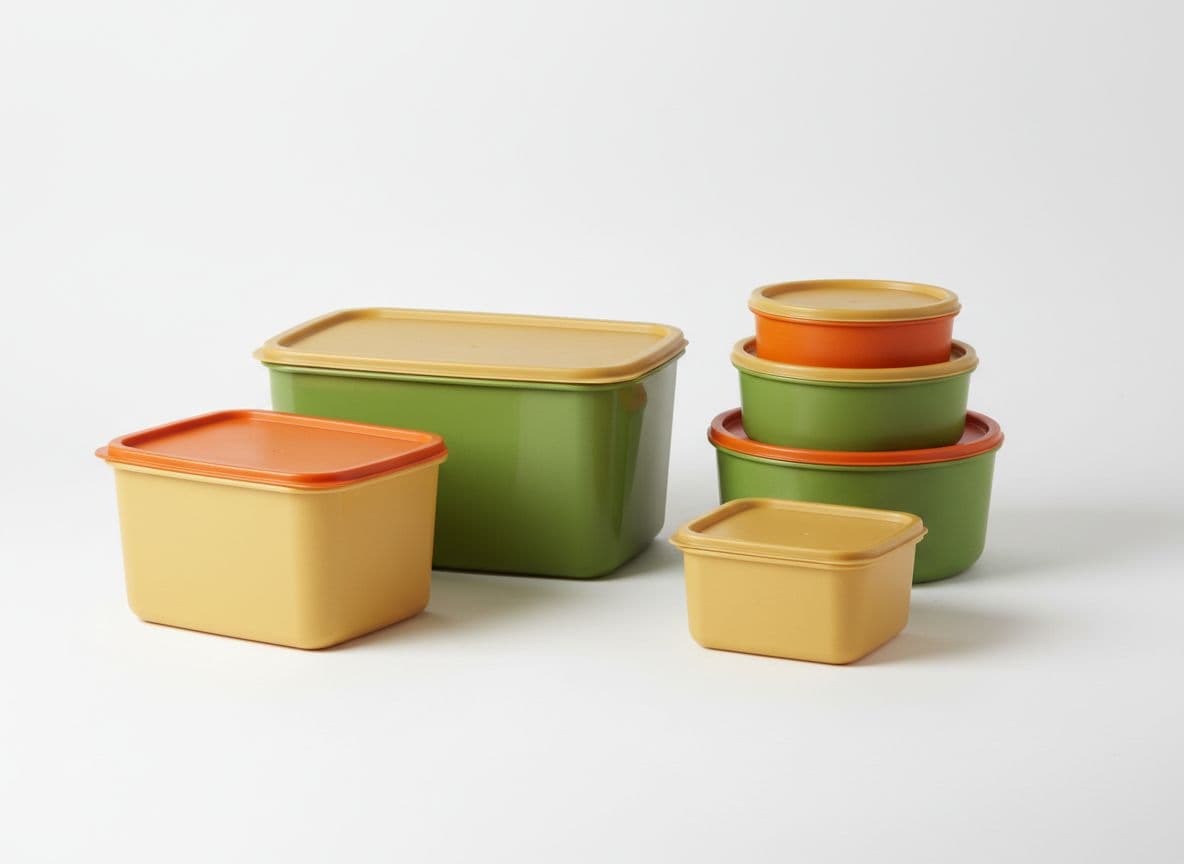
With Tupperware Brands filing for bankruptcy in 2024, interest in vintage Tupperware has surged dramatically. Certain retro pieces have become highly collectible, with rare colors and complete sets commanding surprising prices. Vintage 1950s-1960s pastel sets in excellent condition can sell for $50-$150+.complete canister sets in desirable colors bring $40-$100. Rare promotional items and unusual pieces can fetch $50-$200+. The brand's uncertain future has created a 'nostalgia rush' among collectors. Many households have vintage Tupperware in cabinets and drawers that has been used for decades. Understanding which pieces are common (worth $5-$15) versus rare (worth $50-$200) can make a significant difference when selling.
Key Factors That Affect Vintage Tupperware Value
Understanding what drives the price of vintage tupperware helps you get the most accurate valuation.
Era & Style
1950s-1960s pieces in pastel colors are the most collectible. The original Wonder Bowls, Canisters, and early Servalier pieces from this era command the highest prices. 1970s-1980s pieces in harvest gold, avocado green, and brown are trendy again as retro decor. 1990s-2000s pieces generally have less collector value unless they're rare colors or discontinued items.
Color & Pattern
Color drives much of Tupperware's collectible value. Original pastels (pink, mint green, yellow, white) from the 1950s-1960s are most prized. The 1970s harvest palette is experiencing a resurgence. Clear or plain white modern pieces have minimal collector value.complete matching color sets are worth more than mixed-color groupings.
Completeness & Lids
Tupperware with matching original lids is worth significantly more than orphaned bases or lids.complete sets (all pieces in a canister set, all bowls in a nesting set) command premium prices. The iconic Tupperware seal is a key feature. Lids that no longer seal properly reduce practical value.
Condition
Vintage Tupperware should be clean, unstained, and free of warping, cracks, and strong odors. Staining from tomato sauce or other foods is common in vintage pieces and reduces value. Scratching from use is expected but heavy scratching detracts. Pieces that retain their original luster and color vibrancy are most valuable.
Product Type
Certain Tupperware products are more collectible than others. Canister sets, cake takers, pie carriers, Jel-N-Serve molds, and salt and pepper shakers are popular with collectors. Modular Mates, cereal keepers, and basic storage containers are more utilitarian and less collectible. Unusual and specialty items like the egg cups and serving centerpieces have niche followings.
Tips for Valuing Vintage Tupperware
Get the most accurate valuation by following these tips when photographing your vintage tupperware.
Photograph pieces with their matching lids, showing the color and style clearly
Include a photo of any markings on the bottom. Tupperware logo, model number, and size
Show the condition of the seal. Lids that still seal properly are worth more
Group matching sets together for photography to show completeness
Vintage Tupperware Market Insights
The vintage Tupperware market received a major boost from the company's 2024 bankruptcy filing, which generated widespread media coverage and nostalgia. eBay and Etsy are the primary selling platforms, with Facebook groups and vintage kitchenware shops also active. Prices for rare vintage pieces have increased 30-50% since the bankruptcy announcement. The 'cottagecore' and 'retro kitchen' aesthetic trends on social media have also driven demand for vintage pastels and 1970s colors.common modern Tupperware remains inexpensive on the secondary market. The market is split between collectors seeking specific vintage pieces and practical buyers looking for affordable quality food storage.
Find Out What Your Vintage Tupperware Are Worth
Upload a photo now and get a free AI-powered valuation in seconds. No sign-up required.
Vintage Tupperware Valuation FAQ
Is vintage Tupperware safe to use?
Most vintage Tupperware is made from polyethylene or polypropylene, which are considered food-safe plastics. However, some very old pieces may contain BPA or other chemicals that are now avoided in food containers. If you plan to use vintage Tupperware for food storage, consider using it for dry goods rather than hot foods or acidic liquids. Many collectors display vintage Tupperware rather than using it for food.
Which vintage Tupperware is most valuable?
The most valuable vintage Tupperware includes 1950s-1960s pastel Wonder Bowls and canister sets ($50-$150+ for complete sets), rare promotional items ($50-$200), and unusual specialty pieces.complete matching sets in excellent condition with working seals command the highest prices. The iconic Millionaire Line from the 1960s and early Servalier canisters in pastels are consistently popular.
Does the Tupperware bankruptcy make my pieces more valuable?
The 2024 bankruptcy filing has increased interest and prices for vintage Tupperware, particularly nostalgic pieces from the 1950s-1970s. However, the effect on common modern Tupperware is minimal since millions of pieces are in circulation. Rare and vintage pieces have seen the biggest price increases. Long-term, the brand's uncertain future may make all vintage Tupperware more collectible over time.
How do I remove stains and odors from vintage Tupperware?
For stains, try a paste of baking soda and water left overnight, or soak in a mixture of white vinegar and water. Sunlight can help bleach out tomato stains. For odors, stuff with crumpled newspaper overnight, or soak in baking soda solution. Avoid harsh chemicals or abrasive scrubbing that can scratch the surface. Some staining is permanent and does reduce collector value.